Starting a new school year, summer camp, or even a playdate can feel a little scary for kids. Meeting new friends often comes with nerves and shyness. That’s where icebreaker games for kids shine. These games are designed to take away the awkwardness, replace it with laughter, and help children discover connections in fun, natural ways.
Unlike structured sports or long board games, icebreakers are quick, engaging, and often need little to no equipment. They work best indoors or outdoors, and they scale easily for classrooms, youth groups, or birthday parties. Most importantly, they help kids feel safe, included, and excited to join in.
Here are 26 exciting icebreaker games for kids that teachers, parents, and group leaders can use to spark smiles, teamwork, and lasting friendships.
1. The Name Toss Game
How It Works: Kids form a circle with a soft ball. The first child says their name, then tosses the ball while saying the recipient’s name.
Why It Works: It’s a gentle, non-competitive way to learn names quickly. Repetition helps memory, and the tossing adds fun.
Pro Tip: Use a plush toy instead of a ball for younger kids to make it safer.
Difficulty: Easy | Cleanup: None
2. Rainbow Roll Call
How It Works: Assign each child a color of the rainbow. Kids with the same color form mini-groups, share something about themselves, then rejoin the big group.
Why It Works: Kids love colors, and it divides large groups into smaller, less intimidating clusters.
Hosting Insight: Tie it into a theme — for example, let “blue kids” talk about their favorite ocean animal.
Difficulty: Easy | Cleanup: None
3. Animal Actions
How It Works: Each child chooses a favorite animal and acts it out while introducing themselves. Others guess the animal.
Why It Works: Movement and imagination help shy kids open up.
Pro Tip: Encourage sound effects for extra giggles.
Difficulty: Easy | Cleanup: None
4. Friendship Bingo
How It Works: Hand out bingo cards with prompts like “Has a pet,” “Loves pizza,” “Can whistle.” Kids must find peers who match.
Why It Works: It encourages mingling and asking questions.
Hosting Tip: Keep prompts kid-friendly and lighthearted.
Difficulty: Moderate | Cleanup: Paper/cards
5. Giggle Tag
How It Works: Like tag, but players must freeze while laughing until another player tags them free.
Why It Works: Kids can’t resist giggling, and laughter spreads fast.
Pro Tip: Great as an energy release before quiet activities.
Difficulty: Moderate | Cleanup: None
6. The Story Cube
How It Works: Roll dice with images on them. Each child adds a line to the story based on their image.
Why It Works: Encourages creativity and group storytelling.
Hosting Insight: Printable story dice work well if you don’t have actual cubes.
Difficulty: Easy | Cleanup: None
7. Balloon Pop Questions
How It Works: Insert slips of paper with fun questions into balloons before inflating. Kids pop and answer.
Why It Works: The popping creates excitement, and the questions spark conversation.
Safety Note: Supervise popping for younger children.
Difficulty: Easy | Cleanup: Balloons
8. High-Five Hunt
How It Works: Give each child a card with a fun fact (e.g., “I love spaghetti”). Kids walk around and high-five anyone who shares the same fact.
Why It Works: Quick movement, quick connections.
Pro Tip: Use music for added energy.
Difficulty: Easy | Cleanup: Cards
9. Mystery Bag Objects
How It Works: Kids feel inside a bag and describe the object without naming it. Others guess.
Why It Works: Builds vocabulary and sparks laughter at funny descriptions.
Hosting Insight: Choose safe, soft items for smaller kids.
Difficulty: Easy | Cleanup: None
10. The Compliment Chain
How It Works: One child compliments the person next to them, and it goes around the circle.
Why It Works: Builds kindness and confidence.
Pro Tip: Encourage specific compliments (“I like your drawing”) instead of generic ones.
Difficulty: Easy | Cleanup: None
11. The Counting Clap
How It Works: Kids clap while counting, but certain numbers (like 5 or multiples of 5) must be replaced with a silly action.
Why It Works: Adds focus, rhythm, and laughter when kids make mistakes.
Hosting Tip: Adjust difficulty for age groups.
Difficulty: Moderate | Cleanup: None
12. Drawing Buddy Swap
How It Works: Each child draws a quick doodle, swaps it, and introduces themselves using the doodle as inspiration.
Why It Works: Combines art with introductions, making it less intimidating.
Pro Tip: Limit time to 2 minutes for silly doodles.
Difficulty: Easy | Cleanup: Paper/markers
13. Secret Hand Signal
How It Works: As a group, invent a secret handshake or signal. Everyone practices until they can do it smoothly.
Why It Works: Creates a sense of unity. Kids feel like they belong to a “club.”
Hosting Insight: Great for the first day of school or camp.
Difficulty: Easy | Cleanup: None
14. Candy Questions
How It Works: Each candy color corresponds to a question. Kids pick a candy and answer its question.
Why It Works: Combines treats with sharing.
Pro Tip: Use healthier snacks if needed, like fruit bites with colors.
Difficulty: Easy | Cleanup: Wrappers

15. Circle Freeze Dance
How It Works: Play music. When it stops, each child shares something about themselves before the music resumes.
Why It Works: Blends movement with introductions, keeping energy high.
Pro Tip: Rotate who controls the music for inclusivity.
Difficulty: Easy | Cleanup: None
16. Puppet Introductions
How It Works: Use simple puppets (socks work too). Kids introduce themselves through the puppet.
Why It Works: Helps shy kids open up while pretending to be a character.
Hosting Insight: Let kids decorate their puppets for added fun.
Difficulty: Easy | Cleanup: Medium (crafts)
17. Silly Sentence Chain
How It Works: Each child adds one word to create a silly sentence.
Why It Works: Encourages creativity, cooperation, and guaranteed laughter.
Pro Tip: Write sentences on a board to enjoy the final masterpiece.
Difficulty: Easy | Cleanup: None
18. Shoe Circle Mix-Up
How It Works: Kids remove one shoe and place it in the middle. Everyone grabs a random shoe and finds its owner.
Why It Works: Quick way to spark conversations.
Safety Note: Best played on clean indoor floors.
Difficulty: Easy | Cleanup: Low
19. The Mirror Game
How It Works: In pairs, one child makes slow movements while the other mirrors them.
Why It Works: Builds focus, empathy, and laughter when mirrors go wrong.
Pro Tip: Rotate partners for variety.
Difficulty: Easy | Cleanup: None
20. Secret Talent Show
How It Works: Kids share a hidden or silly talent — whistling, balancing, funny dance.
Why It Works: Builds confidence and encourages applause for everyone.
Hosting Insight: Keep performances short to maintain energy.
Difficulty: Easy | Cleanup: None
21. Mystery Question Ball
How It Works: Write questions on a beach ball. Toss it around; wherever a child’s thumb lands, they answer that question.
Why It Works: It’s random, playful, and easy to repeat.
Pro Tip: Laminate the ball to reuse for future sessions.
Difficulty: Easy | Cleanup: None
22. Animal Parade
How It Works: Kids line up and each pretends to be a different animal while marching through the room.
Why It Works: Movement + imagination = instant laughter.
Pro Tip: Add music for extra flair.
Difficulty: Easy | Cleanup: None
23. The Guessing Jar
How It Works: Fill a jar with small items (buttons, beads). Kids guess the number.
Why It Works: Combines math skills with excitement.
Hosting Tip: Winner gets to choose the next jar filler.
Difficulty: Easy | Cleanup: Minimal
24. Paper Airplane Messages
How It Works: Kids write fun facts about themselves on paper airplanes, toss them, then pick one to read aloud.
Why It Works: Active, surprising, and a hit with kids.
Safety Note: Supervise so planes don’t hit faces.
Difficulty: Easy | Cleanup: Paper
25. Balloon Balance Race
How It Works: Each child balances a balloon while walking across the room. No hands allowed!
Why It Works: It’s silly and energizing.
Pro Tip: Add a relay style for larger groups.
Difficulty: Easy | Cleanup: Balloons
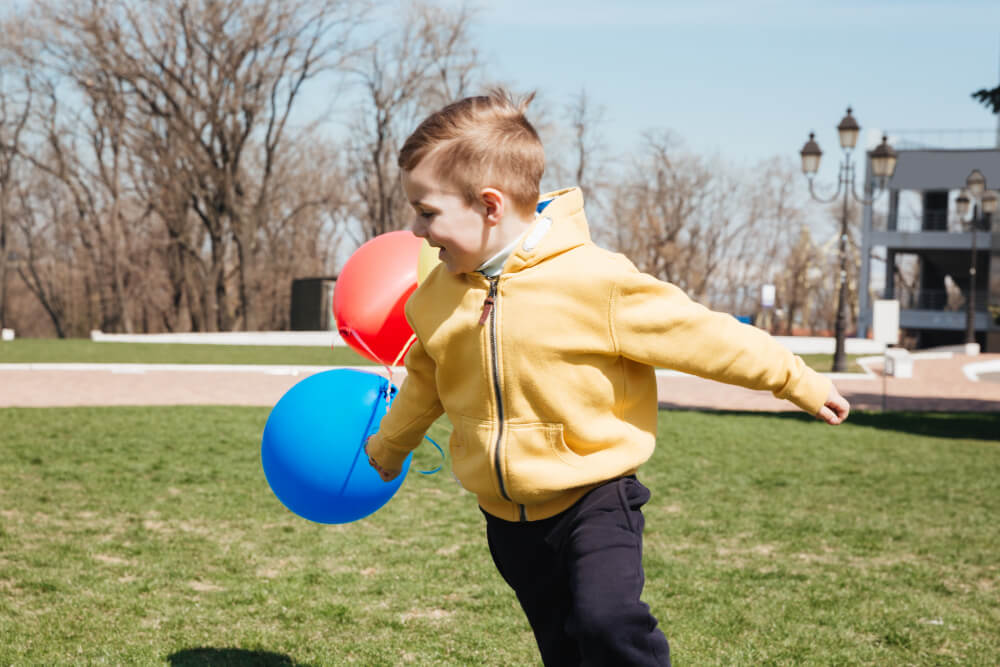
26. Pass the Smile
How It Works: One child smiles at another, who must smile back and then pass it on. Add silly faces to make it harder not to laugh.
Why It Works: Simple, sweet, and guaranteed to end with laughter.
Hosting Insight: Great as a warm-up or closer.
Difficulty: Easy | Cleanup: None
Bring the whole family closer together with these creative Indoor Icebreaker Games for Families — perfect for sparking laughter, bonding, and memorable moments at home.
FAQs About Kids’ Icebreaker Games
Q1: What age range are these games best for?
Most work for ages 6–12, though many can be adapted for preschoolers with simpler prompts or for older kids with added challenges. Always consider the group’s maturity when picking games.
Q2: Do icebreaker games help shy kids?
Yes! Activities like Puppet Introductions or Mystery Bag Objects give shy kids a playful “shield” to share through, making them more comfortable. Low-pressure group games help them ease into socializing.
Q3: How long should kids play icebreakers?
15–30 minutes is usually ideal. Mix high-energy activities (like Balloon Balance) with calmer ones (like Compliment Chain). This balance prevents overstimulation and keeps everyone engaged.
Q4: What supplies are needed?
Most games require everyday items — paper, markers, balloons, small toys. Always prep a small “game box” with basics for easy access.
Q5: Can these games be used in classrooms?
Absolutely! Teachers often use them for the first day of school, group projects, or after holidays. Icebreakers create a sense of community and reduce classroom anxiety.
Final Thoughts
Icebreakers aren’t just games — they’re tools for building confidence, sparking friendships, and encouraging laughter. For kids, these 26 fun activities provide more than entertainment: they nurture communication skills, teamwork, and inclusivity.
From silly balloon races to thoughtful compliment chains, these games remind children that connecting can be joyful and easy. Parents, teachers, and leaders can use them anytime — whether in classrooms, camps, or family gatherings — to transform a room of kids into a team of friends.
So next time you need to spark energy and smiles, try one of these games. Watch shyness melt away, giggles fill the room, and friendships begin with play.