Hey there! Are you on the lookout for ways to blend learning with fun for your little ones? You’re not alone. In today’s fast-paced world, keeping kids engaged while ensuring they learn something valuable can be a bit of a challenge. But what if I told you there’s a way to make learning feel like playtime? Let’s dive into a treasure trove of educational games that can spark curiosity and creativity in your kids. Ready to explore?
1. Brainy Builders: Building Blocks of Knowledge
Ever wondered how to teach your kids the basics of architecture and engineering without them realizing they’re learning? Enter building blocks! These colorful, interlocking pieces are more than just toys. They’re a fantastic way to introduce spatial reasoning, problem-solving, and creativity. Kids can build anything from simple towers to complex structures, all while honing their fine motor skills. Plus, it’s a great way to spend quality time together as you help them construct their masterpieces.
Building blocks come in various shapes and sizes, catering to different age groups. For younger kids, large, easy-to-grasp blocks are perfect for developing hand-eye coordination. Older kids can tackle more intricate designs, even incorporating moving parts or electronic components. The possibilities are endless, and the learning is hands-on and engaging Educational Games for Kids.
2. Puzzle Play: Piece by Piece Learning
Puzzles are a classic choice for educational fun. They come in a variety of themes and difficulty levels, making them suitable for kids of all ages. From simple jigsaw puzzles with large pieces for toddlers to complex 3D puzzles for older children, there’s something for everyone. Puzzles teach patience, problem-solving, and critical thinking. Plus, they’re a fantastic way to build confidence as kids see their efforts come together piece by piece.
Have you ever noticed how much kids love the challenge of fitting pieces together? It’s like a mini-mystery they get to solve. And the sense of accomplishment when they complete a puzzle is unbeatable. Puzzles also encourage teamwork if you’re working on them together, fostering communication and collaboration skills. Whether it’s a map of the world or a scene from their favorite movie, puzzles can be both educational and entertaining.
3. Coding Critters: The Fun Side of Programming
Coding might sound like a complex subject for kids, but with the right tools, it can be a blast! Coding toys and games are designed to introduce kids to the basics of programming in a fun and interactive way. These toys often come with challenges and missions that kids need to solve using coding concepts. From simple drag-and-drop interfaces to more advanced coding languages, there’s a coding game for every level of expertise.
Why start coding early? Well, coding is the language of the future. It teaches logical thinking, problem-solving, and creativity. Plus, it’s a skill that’s in high demand in the job market. By starting early, kids can get a head start on understanding the digital world around them. And the best part? They’ll think they’re just playing a game!
4. Science Kits: Experimenting with Fun
Remember the excitement of your first science experiment? Now, you can bring that same thrill to your kids with science kits. These kits come with everything kids need to conduct their own experiments, from growing crystals to building a volcano. Each kit is designed to teach scientific principles in a hands-on way. Kids can learn about chemistry, physics, and biology through fun and interactive experiments.
Science kits are a great way to spark curiosity and a love for learning. They encourage kids to ask questions, make predictions, and test their hypotheses. Plus, they’re a fantastic way to spend a rainy day indoors. Whether you’re mixing colors to create new shades or building a simple circuit, science kits make learning feel like an adventure.

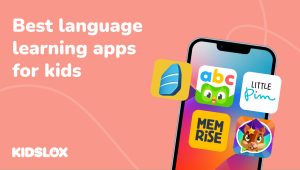
5. Language Learning Apps: Fun with Words
Learning a new language can be a daunting task, but not with the right apps! Language learning apps for kids are designed to make the process fun and engaging. These apps use games, songs, and interactive stories to teach vocabulary, grammar, and pronunciation. Kids can learn at their own pace, and the apps often include rewards and achievements to keep them motivated.
Why is learning a new language important? In today’s globalized world, being multilingual is a valuable skill. It opens up opportunities for travel, work, and cultural understanding. Plus, kids have a natural ability to pick up languages quickly. By introducing them to a new language through fun apps, you’re setting them up for success in the future. Whether it’s Spanish, French, or Mandarin, there’s an app that can make learning a breeze.
6. Math Games: Making Numbers Fun
Math can be a tricky subject for some kids, but it doesn’t have to be boring. Math games are designed to make numbers fun and engaging. From simple counting games for toddlers to more complex algebra puzzles for older kids, there’s a math game for every age and skill level. These games often use colorful graphics and engaging characters to keep kids interested.
Why is it important to make math fun? Because when kids enjoy learning, they’re more likely to retain information. Math games can help build confidence and reduce math anxiety. Plus, they provide a way for kids to practice their skills in a low-pressure environment. Whether it’s solving puzzles or racing against the clock, math games can transform a challenging subject into an enjoyable one.
7. Art and Craft Kits: Unleashing Creativity
Art and craft kits are a fantastic way to unleash your child’s creativity. These kits come with all the materials needed to create beautiful works of art, from painting and drawing to sculpting and collage. Each kit is designed to teach kids new techniques and inspire their imagination. Plus, they’re a great way to build fine motor skills and hand-eye coordination.
Why is creativity important? It’s a key component of problem-solving and innovation. By encouraging kids to express themselves artistically, you’re helping them develop a valuable skill set. Art and craft kits also provide a sense of accomplishment as kids see their creations come to life. Whether it’s a simple drawing or a complex sculpture, every piece of art is a testament to their creativity.

8. Music Makers: Rhythms and Melodies
Music is a universal language that can bring joy and learning to kids. Music-making games and apps are designed to introduce kids to the basics of music theory, rhythm, and melody. These tools often include virtual instruments, songwriting challenges, and interactive lessons. Kids can experiment with different sounds and create their own compositions.
Why is music education important? It enhances cognitive development, improves memory, and fosters creativity. Plus, it’s a fantastic way to build confidence and self-expression. Music-making games can also teach kids about different cultures and musical styles. Whether it’s playing a virtual piano or composing a song, music-making games can be a fun and enriching experience.
9. Storytelling Games: Crafting Tales
Storytelling is a powerful way to engage kids’ imaginations and improve their language skills. Storytelling games often involve creating characters, settings, and plots. Kids can use their creativity to weave together exciting tales, either on their own or with friends. These games can be as simple as a story dice app or as elaborate as a role-playing game.
Why is storytelling important? It helps kids develop their communication skills, creativity, and critical thinking. Plus, it’s a fantastic way to bond with your kids as you create stories together. Storytelling games can also teach kids about different cultures and historical periods. Whether it’s a fantasy adventure or a mystery story, storytelling games can be a fun and educational experience.

10. Geography Games: Exploring the World
Geography games are a fantastic way to teach kids about the world around them. These games often include maps, quizzes, and interactive adventures. Kids can learn about different countries, cultures, and landmarks in a fun and engaging way. Plus, they can test their knowledge with challenging puzzles and trivia.
Why is geography important? It helps kids understand the world and their place in it. Plus, it’s a great way to spark curiosity about different cultures and environments. Geography games can also teach kids about environmental issues and global citizenship. Whether it’s a map puzzle or a virtual travel game, geography games can be a fun and educational experience.
11. History Quests: Time-Traveling Adventures
History can be a fascinating subject when presented in the right way. History quests are games that take kids on a journey through time, exploring different historical periods and events. These games often include interactive lessons, quizzes, and challenges. Kids can learn about ancient civilizations, famous figures, and significant events in a fun and engaging way.
Why is history important? It helps kids understand the past and how it shapes the present. Plus, it’s a great way to spark curiosity about different cultures and time periods. History quests can also teach kids about critical thinking and analysis. Whether it’s a virtual museum tour or a historical adventure game, history quests can be a fun and educational experience.
12. Nature Exploration: Discovering the Great Outdoors
Nature exploration games are designed to get kids outside and exploring the natural world. These games often include scavenger hunts, nature walks, and wildlife observation. Kids can learn about different plants, animals, and ecosystems in a hands-on way. Plus, they can develop a love for nature and the environment.
Why is nature exploration important? It helps kids develop a connection with the natural world and understand the importance of conservation. Plus, it’s a great way to get kids active and outdoors. Nature exploration games can also teach kids about different habitats and ecosystems. Whether it’s a backyard scavenger hunt or a nature hike, nature exploration games can be a fun and educational experience.
13. Sports Simulations: Learning Teamwork
Sports simulations are games that allow kids to experience the thrill of sports without the physical exertion. These games often include team sports like soccer, basketball, and baseball. Kids can learn about teamwork, strategy, and sportsmanship in a fun and interactive way. Plus, they can develop their hand-eye coordination and reflexes.
Why are sports simulations important? They help kids develop a love for sports and physical activity. Plus, they teach important life skills like teamwork and perseverance. Sports simulations can also teach kids about different sports and their rules. Whether it’s a virtual soccer game or a basketball simulation, sports simulations can be a fun and educational experience.
14. Coding Robots: Building and Programming
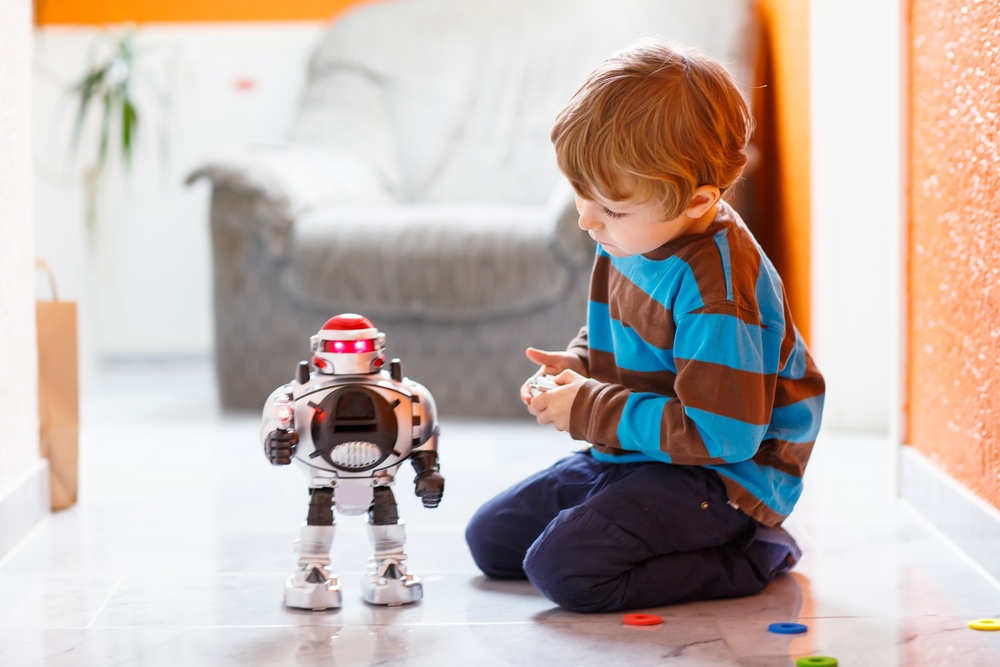
Coding robots are a fantastic way to introduce kids to the world of robotics and programming. These robots often come with kits that allow kids to build and program their own creations. Kids can learn about engineering, coding, and problem-solving in a hands-on way. Plus, they can develop their creativity and critical thinking skills.
Why are coding robots important? They help kids develop a love for technology and innovation. Plus, they teach important skills like coding and engineering. Coding robots can also teach kids about different types of robots and their applications. Whether it’s a simple robot that follows a line or a more complex robot that can navigate obstacles, coding robots can be a fun and educational experience.
15. Virtual Reality Experiences: Immersive Learning
Virtual reality experiences are a cutting-edge way to engage kids in learning. These experiences often include immersive environments where kids can explore different worlds and scenarios. Kids can learn about different subjects like science, history, and geography in a fully immersive way. Plus, they can develop their spatial reasoning and problem-solving skills.
Why are virtual reality experiences important? They help kids develop a love for learning and exploration. Plus, they provide a unique and engaging way to learn about different subjects. Virtual reality experiences can also teach kids about different environments and scenarios. Whether it’s a virtual tour of the solar system or a historical reenactment, virtual reality experiences can be a fun and educational experience.
16. Creative Writing Apps: Crafting Stories
Creative writing apps are a fantastic way to encourage kids to express themselves through writing. These apps often include prompts, templates, and tools to help kids craft their own stories. Kids can learn about different writing styles and techniques in a fun and interactive way. Plus, they can develop their creativity and language skills.
Why is creative writing important? It helps kids develop their communication skills and creativity. Plus, it’s a great way to encourage self-expression and confidence. Creative writing apps can also teach kids about different genres and styles of writing. Whether it’s a short story or a poem, creative writing apps can be a fun and educational experience.
17. Logic Puzzles: Sharpening the Mind
Logic puzzles are a great way to challenge kids’ minds and develop their problem-solving skills. These puzzles often include brain teasers, riddles, and logic games. Kids can learn about critical thinking and analysis in a fun and engaging way. Plus, they can develop their patience and perseverance.
Why are logic puzzles important? They help kids develop their critical thinking and problem-solving skills. Plus, they’re a great way to keep kids entertained and engaged. Logic puzzles can also teach kids about different types of puzzles and their solutions. Whether it’s a simple brain teaser or a complex logic game, logic puzzles can be a fun and educational experience.

18. Board Games: Family Fun and Learning
Board games are a classic way to spend quality time with your family while learning. These games often include a variety of subjects like math, language, and strategy. Kids can learn about different concepts and skills in a fun and interactive way. Plus, they can develop their social skills and teamwork.
Why are board games important? They help kids develop their social skills and teamwork. Plus, they’re a great way to spend quality time with your family. Board games can also teach kids about different subjects and skills. Whether it’s a classic game like Monopoly or a more educational game like Scrabble, board games can be a fun and educational experience.
Conclusion
So, there you have it! Eighteen amazing educational games that can make learning fun and engaging for your kids. Whether you’re looking to introduce a new subject or reinforce existing skills, these games offer a variety of options to suit every child’s interests and learning style. Remember, the key to successful learning is making it enjoyable. By incorporating these games into your child’s routine, you’re not only helping them learn but also fostering a love for learning that will last a lifetime. Happy gaming!