Learning Math Can Be Fun!
Math is all around us, and preschoolers are naturally curious about numbers, patterns, and shapes. But let’s be honest—traditional math drills can be a bit dull for little learners. The good news? Learning math doesn’t have to be boring!
The secret to making math exciting is turning it into a game. When kids play, they engage with concepts in a hands-on way that makes learning feel effortless. That’s why we’ve rounded up 25 fun and interactive math games that will have your preschooler counting, sorting, and problem-solving—all while having a blast!
Whether you’re a parent looking for at-home learning activities or a teacher searching for fresh classroom ideas, these games are sure to keep little minds engaged.
Counting Games
- Hopscotch Counting
Who knew a simple sidewalk chalk game could double as a math lesson? Draw a hopscotch board and number each square. As your child jumps from one square to the next, have them count aloud. Want to level it up? Ask them to count by twos, fives, or even tens! For Engasging Science Games visit This Link.
This game is a fantastic way to build number recognition while keeping kids physically active. They won’t even realize they’re practicing math because they’ll be having too much fun hopping around.
As they progress, you can introduce more challenges like calling out simple math problems for them to solve before they jump.
- Cup Tower Counting
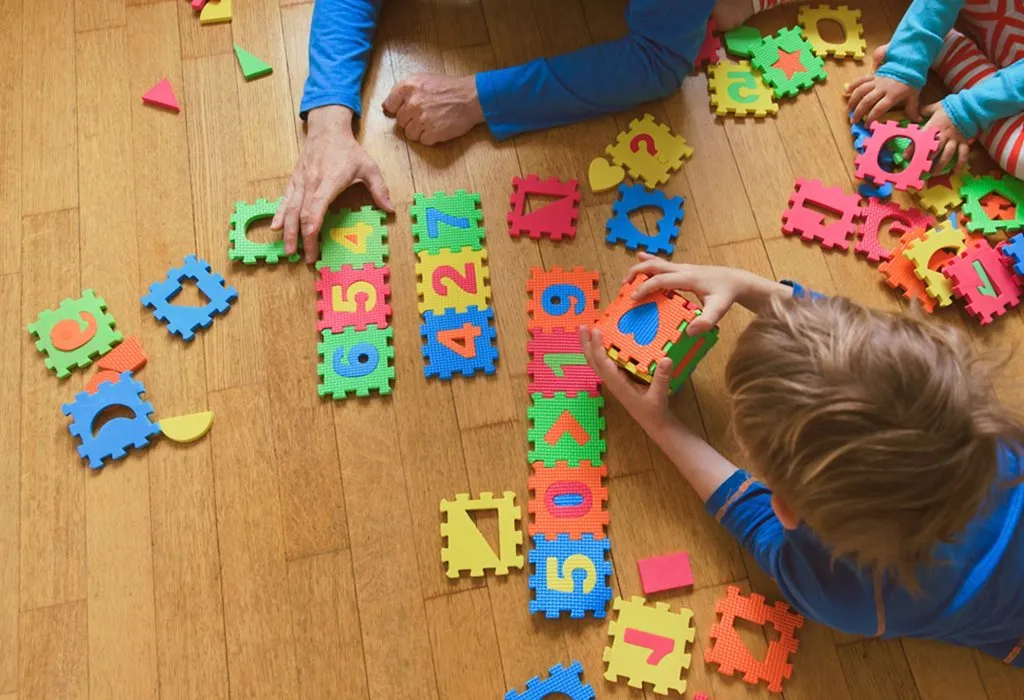
Grab a set of plastic cups and write numbers on them. Let your child stack the cups in numerical order. This hands-on activity strengthens number recognition and sequencing while developing fine motor skills.
As they stack, encourage them to say each number aloud. You can also mix things up by asking them to build the tallest tower possible while following the correct order.
For an added challenge, try giving them a number sequence with a missing cup and have them figure out what’s missing.
- Number Hunt
Hide number cards around the house and give your preschooler a mission: Find the numbers and place them in order! You can make it extra fun by setting a timer or offering a small reward for completing the hunt.
This game promotes problem-solving and recognition skills, as kids have to search, identify, and arrange numbers correctly. It also adds an element of excitement to learning.
If you want to increase the difficulty, ask them to only find even or odd numbers, or give them simple math problems to solve when they locate a number.
Shape & Pattern Recognition Games
- Shape Scavenger Hunt
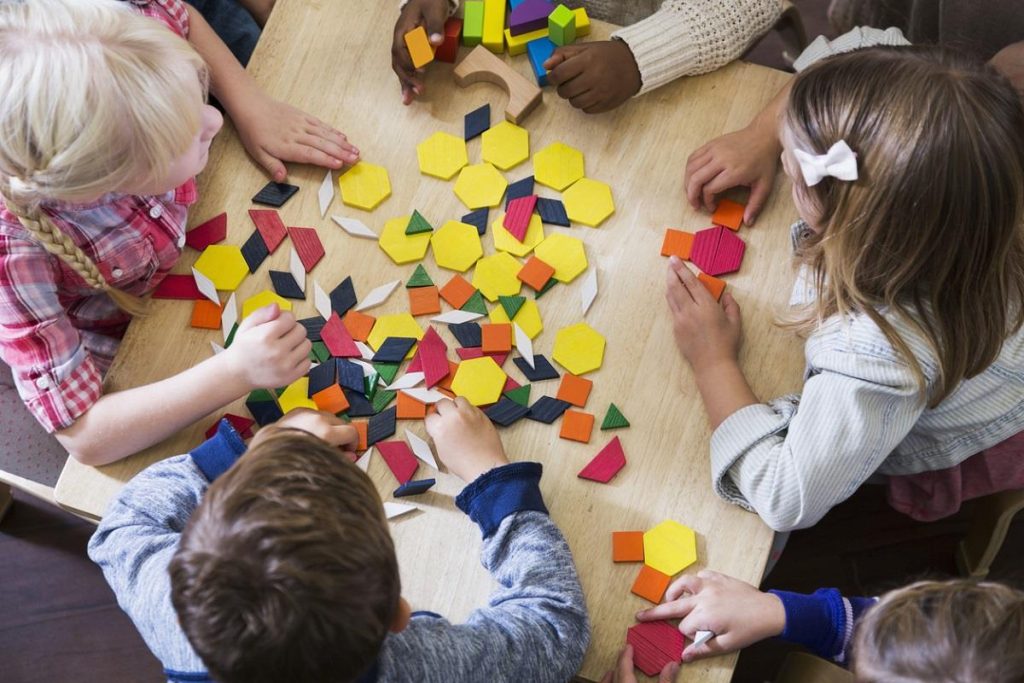
Take your little one on a shape-finding adventure! Call out a shape like a circle or square and have them find objects around the house that match. This game helps kids recognize shapes in their environment, making learning more meaningful.
As they find each object, talk about its properties—how many sides it has, whether it’s curved or straight. This builds their vocabulary while reinforcing their understanding of shapes.
You can also take this game outdoors for an even bigger challenge. Encourage them to look for shapes in nature, on signs, or in buildings.
- Pattern Bead Stringing
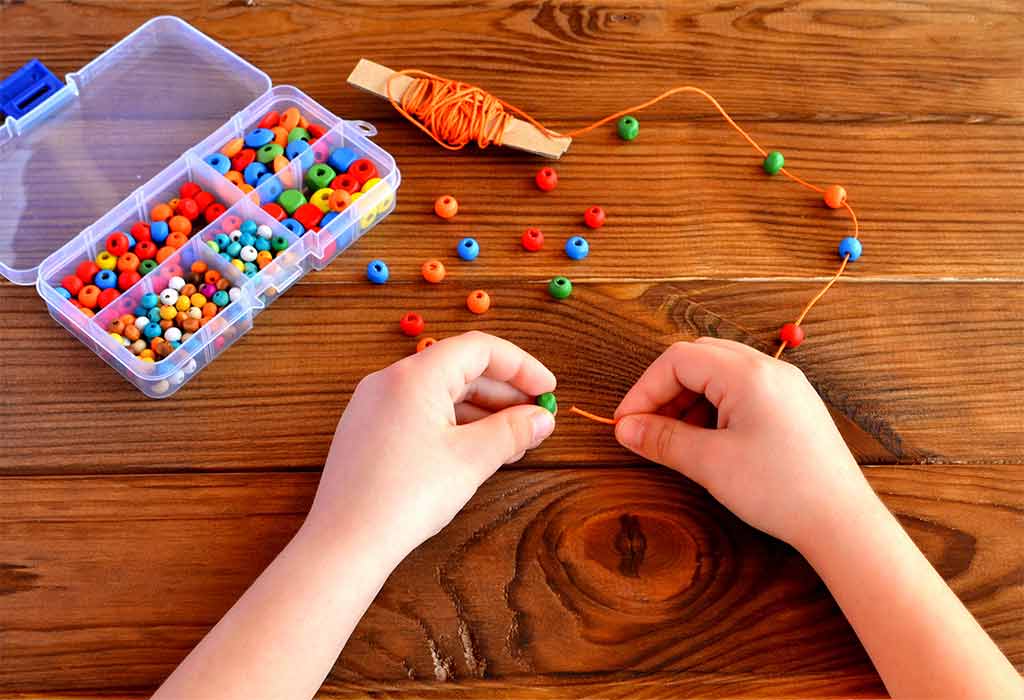
Use colorful beads to create simple patterns, such as red-blue-red-blue. Challenge your child to continue the pattern or create their own. This strengthens their ability to recognize and predict sequences. For Engasging Science Games visit This Link.
As they progress, introduce more complex patterns like ABBA or ABCABC. Encouraging them to make their own patterns fosters creativity and problem-solving skills.
You can also use different objects like buttons or colored blocks to keep the activity fresh and exciting.
- Playdough Shape Fun
Give your child some playdough and shape cutters. Encourage them to create different shapes and discuss their properties—like how a triangle has three sides and a square has four.
This hands-on activity helps kids develop spatial awareness while improving their fine motor skills. The tactile experience makes learning more engaging and enjoyable.
To add variety, challenge them to create 3D shapes like cubes or pyramids using playdough and toothpicks.
Measurement & Comparison Games
- Measure Me!
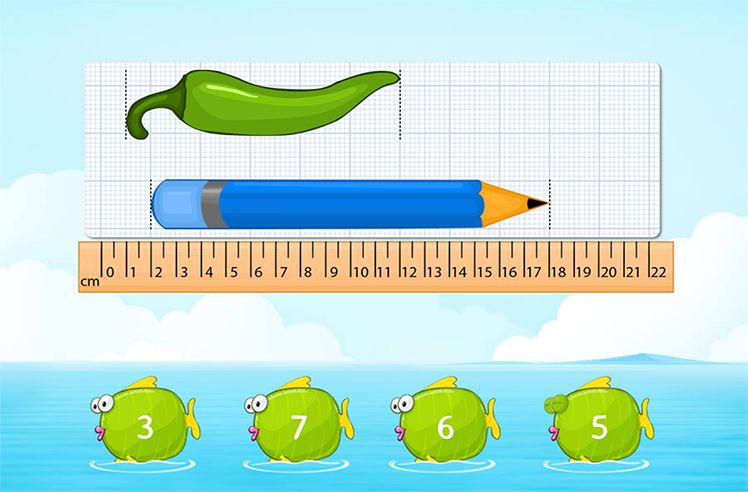
Use a measuring tape or string to measure objects around the house. Have your child compare lengths by asking, “Which one is longer? Which one is shorter?”
Encourage them to make guesses before measuring to develop their estimation skills. They can also measure their own hands, feet, or height and compare with family members.
For extra fun, challenge them to measure items in unconventional ways, such as using blocks or crayons instead of a ruler.
- Fill the Jar
Grab two jars and a spoon. Let your child scoop items like beans or pom-poms into each jar. Then, compare: “Which jar has more? Which one has less?”
This simple activity builds counting skills and introduces the concept of volume. Watching the jars fill up gives kids a visual representation of quantity.
To make it even more interactive, let them predict which jar will fill up first and why.
- Tallest Tower Challenge
Use blocks to build towers and compare heights. Encourage your child to count the blocks in each tower to see which one is the tallest.
This activity promotes spatial reasoning and problem-solving as kids experiment with different ways to stack and balance blocks.
For an added twist, introduce a timer and see how high they can build their tower before time runs out.

Addition & Subtraction Games
- Dice Roll Adding
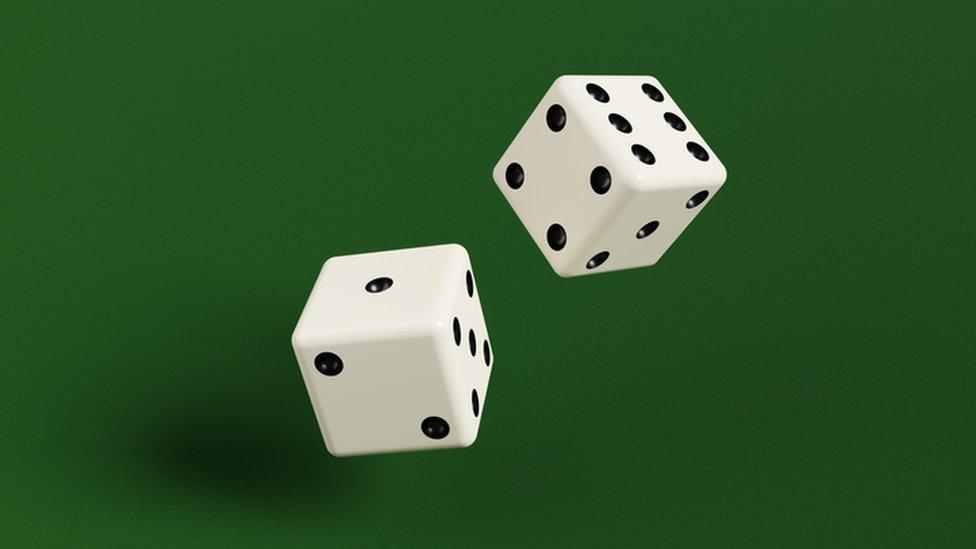
Roll two dice and have your child count the dots, then add the numbers together. This introduces basic addition in a playful way while improving number recognition and counting skills.
To make it even more engaging, you can assign a specific color to each die and encourage your child to say the numbers aloud before performing the addition. For instance, “The red die shows 3 and the blue die shows 5, so 3 + 5 equals 8!” This helps reinforce verbal math skills. For Engasging Science Games visit This Link.
For an added challenge, you can introduce a third die and explore different ways to group and add numbers. You can also turn this into a friendly competition by seeing who can roll the highest total or make it into a cooperative game where you work together to reach a target sum.
- Snack Math
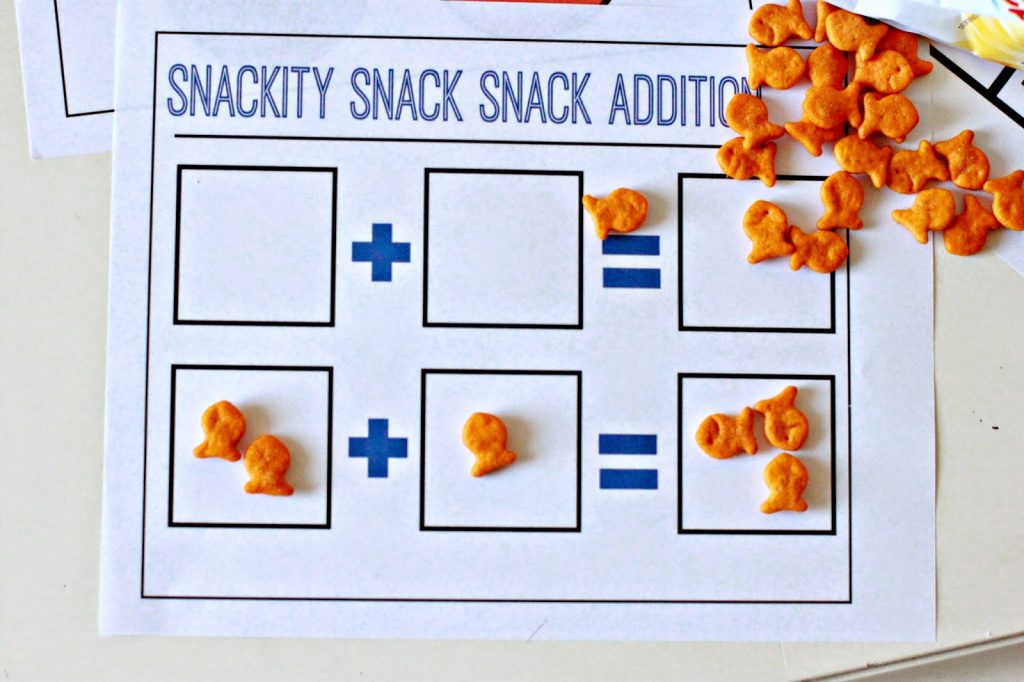
Use snacks like crackers, grapes, or cereal pieces to teach simple math in an engaging and tasty way. Start by counting a set number of snacks together, encouraging your child to touch and count each piece aloud. Once they grasp the initial count, introduce simple subtraction by removing one or two pieces and asking, “How many are left?” This hands-on approach helps reinforce number recognition and early arithmetic skills.
To make it even more interactive, turn it into a pretend-store game where your child “buys” snacks using small numbers. Say something like, “You have 10 grapes, but you want to buy 3 more. How many do you have now?” This introduces the concept of addition while also developing problem-solving skills in a real-world context.
For an extra challenge, create a sorting game by grouping snacks by color or shape. Ask, “How many red grapes do we have? How many green ones?” This builds early categorization and pattern-recognition skills while keeping snack time fun and educational.
- Finger Counting Fun
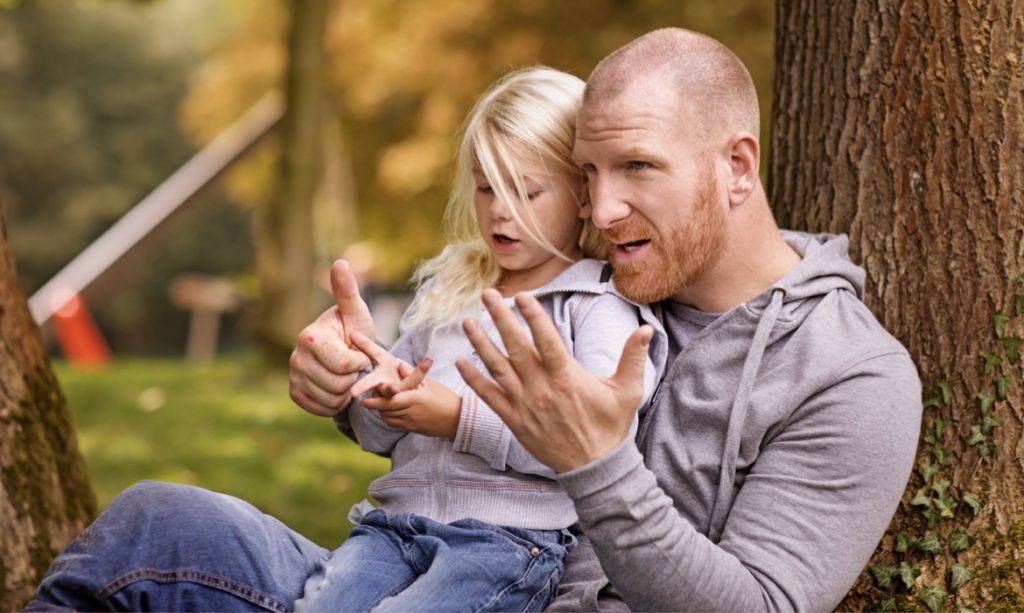
Encourage your child to use their fingers to solve small addition and subtraction problems. This simple, no-prep activity reinforces early math skills by giving them a tactile way to visualize numbers.
Start with basic equations like 2 + 3, asking your child to hold up two fingers on one hand and three on the other. Then, guide them to count all the fingers to find the total. This builds a strong foundation in number sense.
To make it even more engaging, turn it into a fun challenge by asking them to solve problems quickly. You can also integrate finger counting into everyday activities, such as counting objects in a room or determining how many more items they need to reach a total.
- Number Line Jump
Create a number line on the floor using tape. Call out an equation, and have your child jump forward or backward to solve it. This physical approach helps them visualize addition and subtraction in action while keeping them engaged in an active way.
To make the activity more fun, use colorful tape or stickers to mark numbers. You can also add challenges by incorporating simple word problems, such as “If you have three apples and pick two more, where do you land on the number line?”
For an extra twist, try using a stopwatch to encourage faster calculations or make it a group activity where children take turns solving different equations. This game not only reinforces counting skills but also enhances critical thinking and movement coordination.
- Storytime Math
Make up a fun story that includes simple math problems. For example, “Sarah had three apples. She gave one to her friend. How many does she have left?” This game enhances comprehension and number skills by integrating storytelling with arithmetic.
To make it even more engaging, incorporate props like toy food or drawings to illustrate the story visually. Ask follow-up questions like, “What if Sarah found two more apples?” or “If Sarah shares all her apples equally with two friends, how many will each person get?”
You can also personalize the story with your child’s name or their favorite characters to make it more relatable. Encourage them to create their own math stories, fostering both creativity and numerical reasoning skills in a fun and interactive way.
- Egg Carton Counting
Use an empty egg carton and place small objects inside. Ask your child to count them, add more, or remove some and figure out the total. This reinforces number sense in a tangible way while providing a fun, hands-on learning experience.
To add variety, assign different values to each slot in the carton. For example, some slots might be worth two points while others are worth one, encouraging your child to practice simple addition. You can also write numbers on the inside of each section and have them match the correct number of objects to the corresponding section.
Another engaging twist is turning it into a sorting game. Ask your child to sort the objects by color, shape, or size before counting them. This expands their cognitive skills by combining number recognition with classification, making math practice more dynamic and enjoyable.

Wrapping Up: Math Can Be Playful!
Math doesn’t have to be intimidating—it can be full of joy and laughter! By turning numbers, patterns, and shapes into engaging games, preschoolers learn effortlessly while having fun.
Try out a few of these activities and watch your child develop essential math skills without even realizing they’re learning. And remember, the best way to teach math at this age is to make it interactive, hands-on, and full of playful moments!
Which of these games are you excited to try first? Let us know how your little learner enjoys them!